UAE White Friday vs Global Black Friday: What the Price Data Reveals
White Friday is MENA's answer to Black Friday — but the data shows significant differences in discount depth, category behaviour, and competitive dynamics. Here is what price intelligence reveals about the region's biggest sale event.
From Import to Institution
White Friday began as Amazon.ae's localised rebranding of Black Friday — the name change reflecting the cultural significance of Friday in the region. What started as a single platform's promotional event has become a region-wide retail moment, with Noon, Carrefour, LuLu, Namshi, and hundreds of smaller retailers all competing for the same consumer attention across the same promotional window every November.
For pricing professionals in MENA, White Friday is the most analytically rich week of the retail year — and also the most operationally demanding. Price data from the event reveals patterns about competitive dynamics, discount strategy, and consumer price sensitivity that inform planning decisions for the full year ahead.
Discount Depth: White Friday vs Global Black Friday
Analysing price data from the 2025 White Friday period compared with concurrent Black Friday promotions on global platforms reveals several structural differences.
Electronics: UAE White Friday electronics discounts average 18–22% off regular prices, broadly comparable to global Black Friday levels. However, the promotional intensity is concentrated in a narrower SKU set — typically the top 50–100 flagship units per category — with the long tail of the catalogue seeing modest discounts of 5–8%. Global events tend to distribute discounts more broadly. The UAE concentration creates sharper competition on headline SKUs and more margin runway on secondary products.
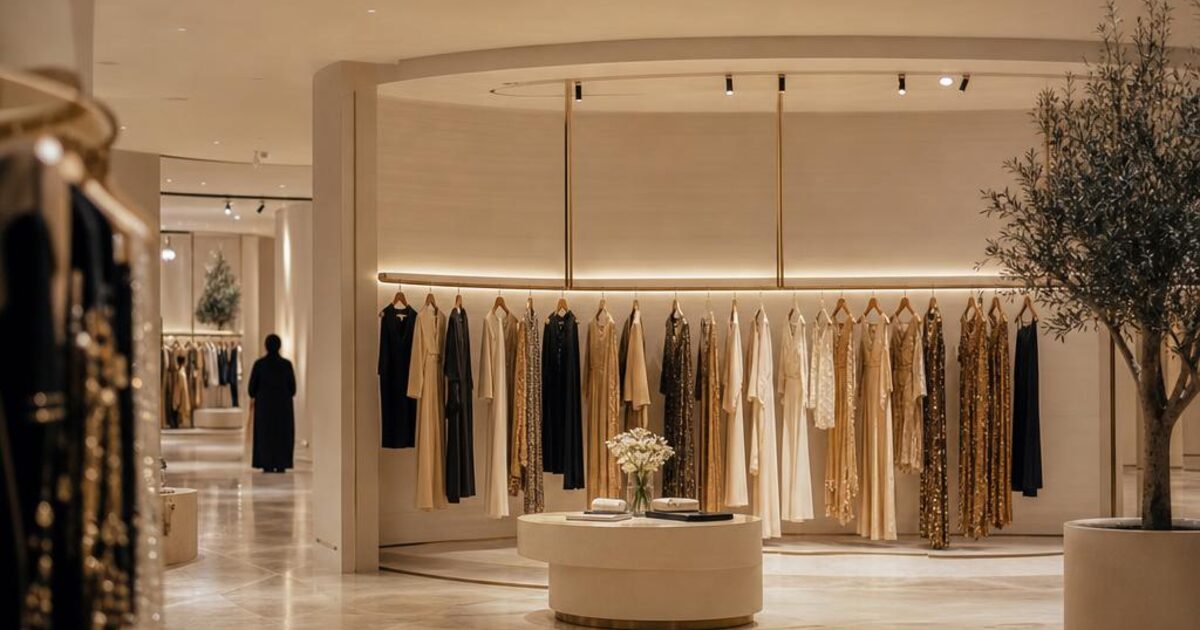
Fashion: White Friday fashion discounts in the UAE run considerably deeper than Western market equivalents — regularly 40–60% on leading brands at Namshi and Ounass, versus 20–30% typical in European and North American events. This reflects the fashion category's higher competitive intensity among platforms competing for the same brand inventory.
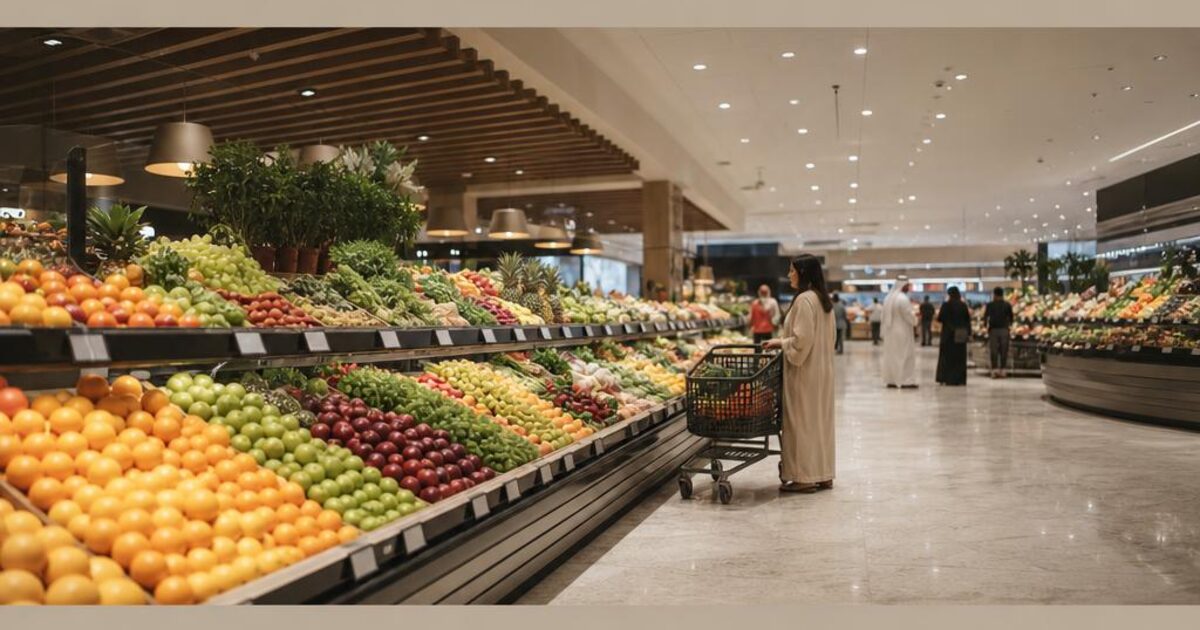
Grocery: MENA grocery promotions during White Friday are structurally different from electronics and fashion. Rather than deep single-item discounts, grocery promotions concentrate on bundle offers and buy-more-save-more mechanics that protect unit margins while driving basket size. This makes effective-price monitoring (capturing the true per-unit cost after bundle mechanics) more valuable than simple price tracking.
Promotional Timing Patterns
Price data from 2024 and 2025 White Friday events shows consistent timing patterns across the major UAE platforms. Pre-sale price increases — where platforms raise prices 10–15 days before the promotional window before applying nominal discounts — are detectable through price history data. Shoppers who track prices see through this mechanic; brands and retailers need to be aware that their own category position during White Friday will be compared against their own history, not just competitors.
Flash promotion activity peaks during three windows: Thursday night (24 hours before White Friday officially opens), mid-day Friday, and the final two hours of the promotional window on Saturday evening. Automated monitoring during these windows — with sub-hourly update frequency — is the minimum requirement for retailers serious about competitive response during the event.
Planning White Friday 2026 with Better Data
Retailers preparing for White Friday 2026 should begin competitive analysis in September — three months before the event. Key preparation steps include establishing a price position baseline on your promotional SKU list, auditing competitor promotion archives from 2025, and setting up automated monitoring that will detect competitor price changes and promotional launches within minutes of activation.
The retailers who consistently win White Friday are not those who discount deepest — they are those with the best pre-event intelligence and the fastest in-event response time. Both require a monitoring infrastructure that operates at event frequency, not routine frequency.
GetRealPrice Editorial
Pricing intelligence insights from the GetRealPrice team — covering MENA e-commerce, competitive pricing strategy, and retail market analysis.
Ready to see GetRealPrice in action?
Join 250+ MENA brands and retailers using competitive pricing intelligence to stay competitive.